The World Wide Web
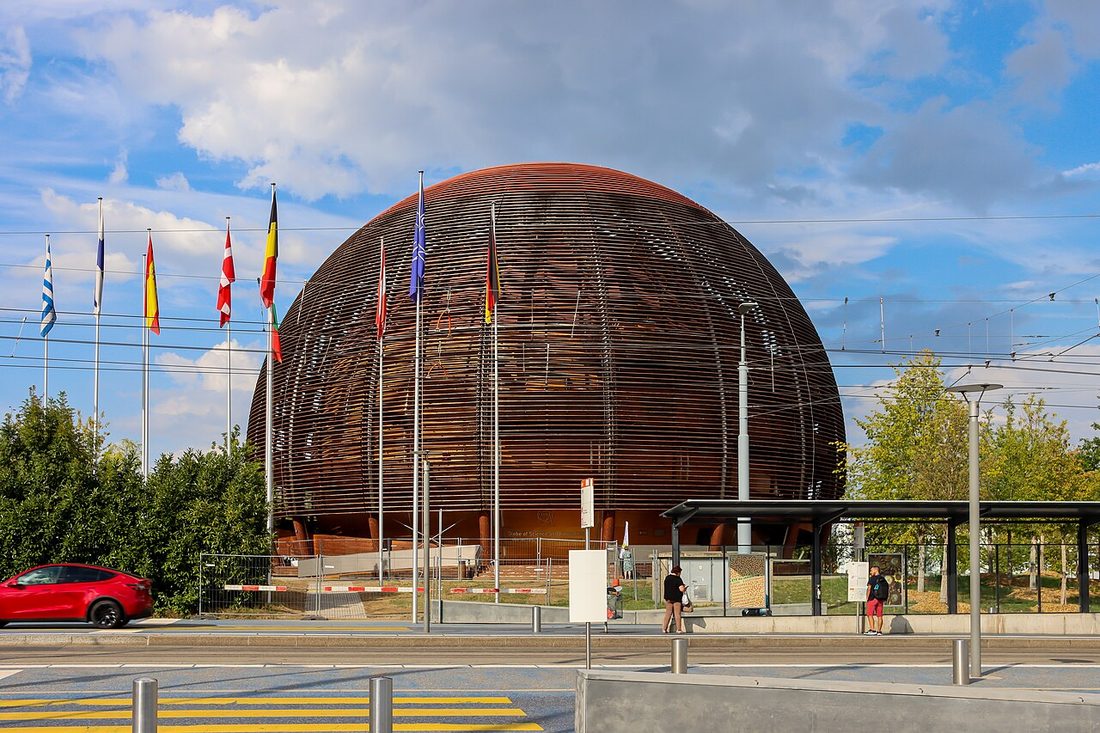

The internet and the World Wide Web are not the same thing. The internet is the network of cables and computers; the web is the system of linked pages that runs on top of it. The web was invented by one man, British scientist Tim Berners-Lee, working at CERN, the European particle-physics laboratory in Switzerland — and he gave it away for free.
In short
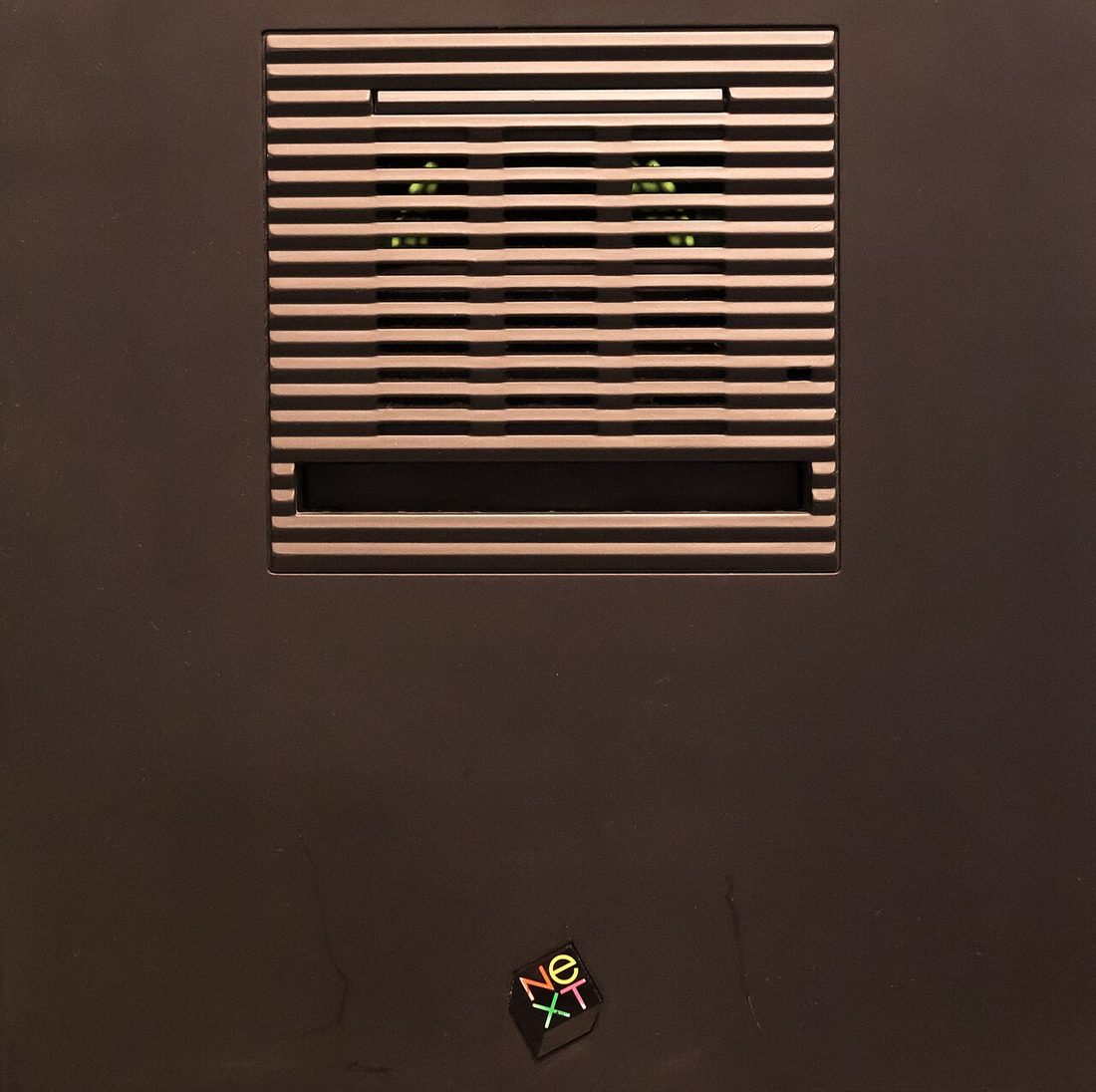
Tim Berners-Lee wrote the first proposal for the World Wide Web in March 1989, while working at CERN. By the end of 1990 he had built the first web browser and the first web server, running on a NeXT computer in his office, and he had invented the three building blocks of the web: HTML for writing pages, HTTP for fetching them, and URLs for addressing them. The first website, at info.cern.ch, went live on 6 August 1991, and in April 1993 CERN made the web's technology available royalty-free to everyone.
The problem Berners-Lee was solving
CERN employed thousands of scientists from dozens of countries, and they struggled to share information: different teams used different computers, different formats, and different systems. Berners-Lee's proposal, "Information Management: A Proposal", suggested a web of hypertext documents — pages joined by clickable links — that any computer could read. His manager called the idea "vague but exciting" and did not approve it at first. Working with Belgian engineer Robert Cailliau, Berners-Lee refined the proposal, and in 1990 his manager gave him time to build it. By Christmas 1990, the first successful communication between a web browser and a web server had taken place.
The first website
The first website was not flashy: it was a plain page explaining what the World Wide Web was, how to get a browser, and how to set up a web server. Its address was info.cern.ch, and it ran on a NeXT computer — a machine designed by Steve Jobs's company after he left Apple. In August 1991, Berners-Lee announced the web software on internet newsgroups, and interest spread beyond physics. The first web server in the United States came online in December 1991 at the Stanford Linear Accelerator Center in California. Within two years there were about 50 websites; within a few years, thousands.
The browsers that opened the web to everyone
The early web was mostly text, and its first browsers were hard to use. That changed in April 1993, when Marc Andreessen and colleagues at the University of Illinois released Mosaic, the first graphical browser to show text and images together on one page. Mosaic was free, easy to install, and suddenly anyone could browse. Andreessen went on to co-found Netscape, whose browser dominated the mid-1990s until Microsoft bundled Internet Explorer with Windows. The browser wars that followed were fierce, but they made the web a mass medium: by the end of the decade, the web had gone from a physics-lab tool to the front door of the internet.
A gift, not a patent
Berners-Lee and CERN chose not to patent the web. On 30 April 1993, CERN put the web's protocols and software into the public domain, free for anyone to use. That decision is the main reason the web grew so fast and stayed open: no company owned the right to charge for a link or a page. Berners-Lee later founded the World Wide Web Consortium (W3C), which still sets the web's standards, and he has spent much of his career defending the idea that the web should belong to everyone, not to any single company or government.
Sources: CERN, "A short history of the Web"; Wikipedia, "World Wide Web"; The Centre for Computing History, "Tim Berners-Lee" Checked 27 November 2026.