Search Engines


In the early 1990s, the web was growing fast and nobody could find anything on it. Early directories listed websites by hand, like a phone book. Then search engines learned to crawl the web automatically — and in 1998, two Stanford students built one that ranked pages by how many other pages linked to them. That engine, Google, became the front door of the internet.
In short
Google was founded on 4 September 1998 by Stanford students Larry Page and Sergey Brin. Its key idea, PageRank, ranked a page by the number and quality of the links pointing to it, treating a link as a vote of confidence. Earlier search engines such as Yahoo (1994), AltaVista, and Lycos mostly matched keywords; Google's link-based ranking returned better results, and it quickly became the world's most used search engine. Google's search advertising model, launched in 2000, went on to finance much of the modern web.
The web before search
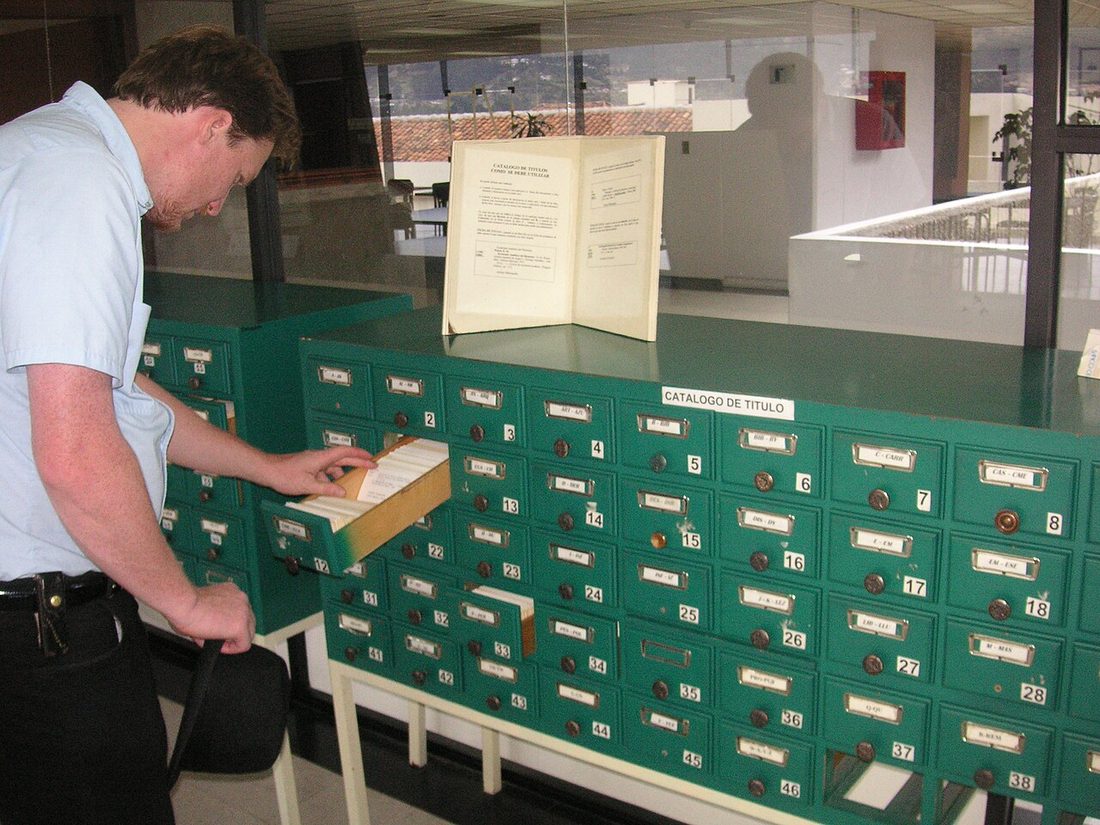
The first websites were found through lists: Berners-Lee's own first site was partly a directory of other sites. Yahoo, founded in 1994, was a human-edited directory — editors sorted websites into categories by hand. That worked while the web had thousands of pages, but not when it had millions. The first crawlers, such as WebCrawler (1994) and AltaVista (1995), indexed the full text of pages automatically and let users search by keyword. They were a huge step forward, but their results were easy to game: a page could stuff its text with popular keywords and rise to the top.
PageRank: links as votes
Page and Brin, working on a research project at Stanford, noticed something others had missed: the web's links were a map of trust. A page linked to by many other pages, especially by respected pages, was probably worth reading. PageRank counted those links, weighted by the linking page's own importance, and ordered results accordingly. The first version ran on Stanford's computers; the company was founded in a garage in Menlo Park, California, in September 1998. Within a few years Google was answering most of the world's searches, and its simple homepage — a logo and a box — became one of the most familiar sights on the internet.
Search becomes a business
Google made its money not by charging for searches but by selling small text ads matched to the words people typed, starting in 2000. Because the ads matched what the searcher was already looking for, they worked far better than banner ads — and the money funded free services from email to maps to video. Rivals followed the same model: Microsoft launched Bing in 2009, and privacy-focused alternatives such as DuckDuckGo grew later. Today, search engines answer billions of queries a day, and a top ranking can make or break a business. That power has also brought scrutiny: regulators in the United States and Europe have repeatedly investigated whether Google favours its own services in its results.
Search is changing again
For twenty years, the search box barely changed. Now it is changing fast: voice assistants answer spoken questions, phones show answers before you type, and AI chatbots summarise the web instead of listing links. The question search engines face is the same one Page and Brin faced in 1998 — how to tell a good answer from a popular one — only now the answers are written by machines as well as people.
Sources: Hongkiat, "15 Websites That Changed the Internet"; Kinda Technical, "Dot-com, Cloud and Mobile: The Internet Becomes Infrastructure"; Continued, "History" Checked 27 November 2026.