The Mobile Internet
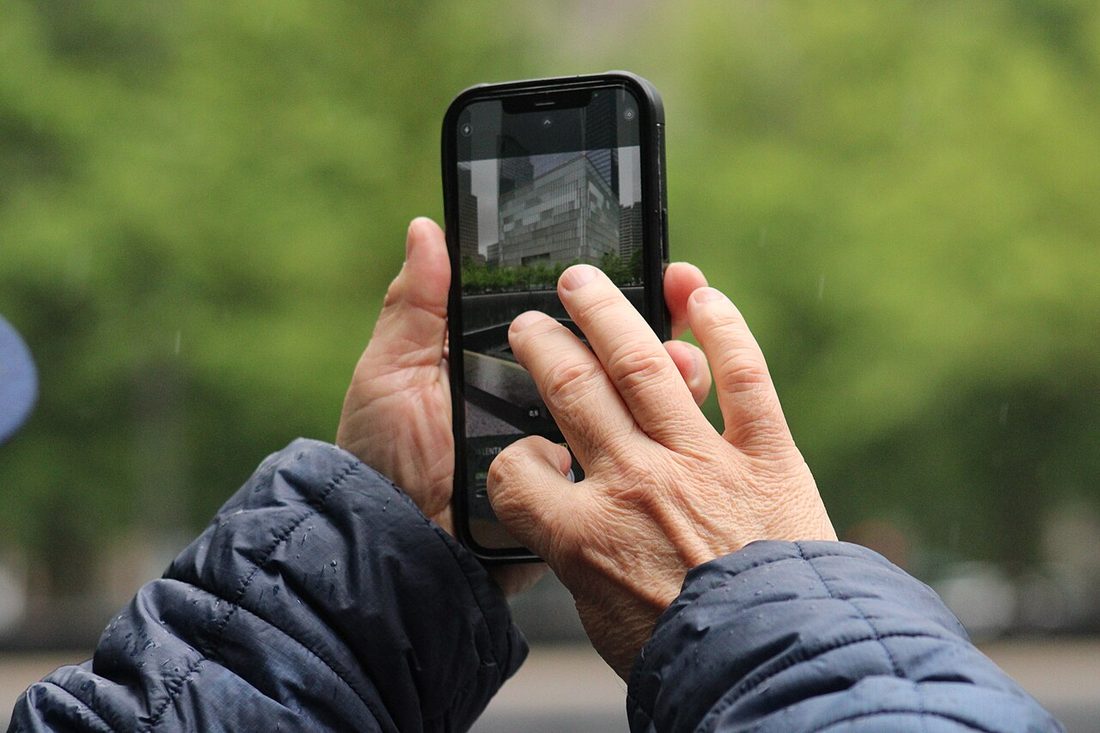
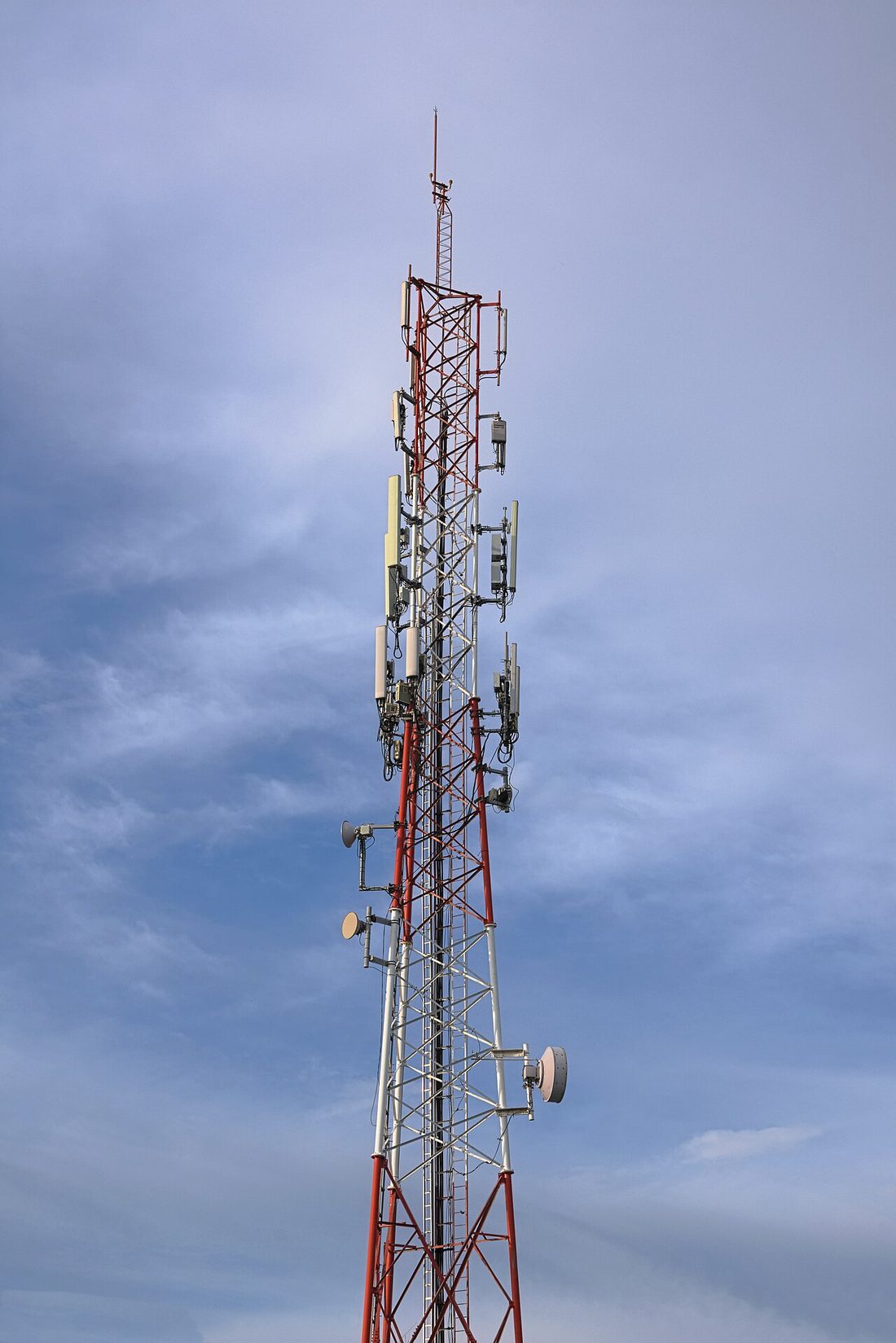
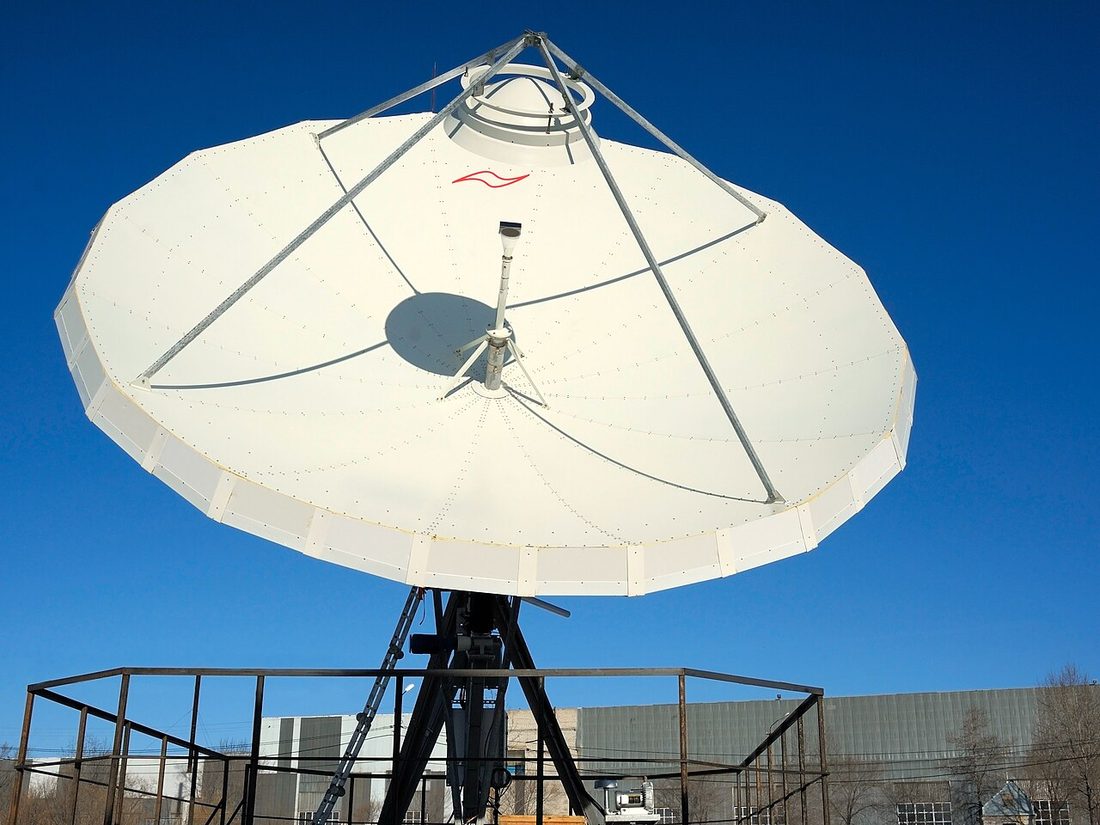
For forty years, getting online meant sitting at a desk. The smartphone changed that in a single generation: suddenly the internet was in every pocket, on every bus, in every queue. The turning point was the iPhone in 2007 — not the first smartphone, but the first one ordinary people loved using.
In short
Apple announced the iPhone on 9 January 2007 and released it on 29 June 2007. It combined a phone, a music player, and a full web browser in one device with a touchscreen and no keyboard. The first Android phone, the HTC Dream, followed in October 2008, and Apple's App Store, opened in July 2008, let developers sell software directly to phone owners. By 2025, there were about 9.2 billion mobile-cellular subscriptions worldwide, according to the ITU, and most internet use happens on a phone.
Before the iPhone
Mobile internet existed before 2007, but it was painful. IBM's Simon, released in 1994, combined a phone with a touchscreen organiser, and BlackBerry devices made mobile email a business necessity in the early 2000s. But early phones had tiny screens, slow connections, and stripped-down "mobile" versions of websites that left most of the web out. Japan's i-mode service, launched in 1999, showed that people wanted mobile internet, yet outside Japan the experience stayed clumsy — until Apple put a real browser, with the full web, onto a phone you could use with one finger.
The App Store changes software
The iPhone's second revolution was the App Store, opened in July 2008. Before it, getting software onto a phone meant dealing with the phone company; after it, any developer could reach hundreds of millions of users, and users could install an app in seconds. The app economy that followed created whole industries — ride-hailing, food delivery, mobile banking, short video — and made the phone, not the PC, the main way most of the world gets online. Android, Google's open system, spread the smartphone to every price level, and by the 2010s cheap Android phones were bringing the internet to billions of people in Asia, Africa, and Latin America for the first time.
Mobile-first world
In rich countries the phone is now the primary screen; in many poorer countries it is the only screen. Most people in Africa and South Asia have never owned a computer, and their first experience of the internet is a phone on a mobile network. That has changed what the internet looks like: apps beat websites, video beats text, and short vertical video — designed to be watched one-handed — is the dominant format. Mobile money, pioneered by Kenya's M-Pesa in 2007, lets people without bank accounts pay, save, and transfer money by phone, and in many countries it has done more for financial inclusion than any bank.
What the pocket internet costs
The mobile internet has a shadow side. Constant notifications and infinite feeds are designed to hold attention, and many people now spend hours a day on their phones. The same phones that connect remote villages also make surveillance cheap: a phone reveals its owner's location, contacts, and habits. And the digital divide has a new form — not who is online, but who has a fast connection and a modern phone, and who is stuck on slow networks with old handsets. The next step, 5G and satellite internet, promises to narrow that gap, but the gap has not closed yet.
Sources: Kinda Technical, "Dot-com, Cloud and Mobile: The Internet Becomes Infrastructure"; 101 Computing, "Internet History Timeline"; Phys.org, "Key milestones in the development of Internet" Checked 27 November 2026.