Email and Instant Messaging
Email was the internet's first killer application — the first thing ordinary people actually wanted to do online — and it arrived years before the web. A programmer named Ray Tomlinson worked out how to send a message from one computer to another in 1971, and the address format he invented, with its @ sign, is still in use today. Instant messaging followed a generation later, and together the two changed how the whole world talks.
In short
Ray Tomlinson sent the first networked email in 1971, while working on ARPANET for the firm Bolt Beranek and Newman. He adapted an existing program so messages could travel between computers on different machines, and he chose the @ sign to separate the user's name from the computer's name — user@host — a format still used in every email address today. Email soon became the most popular use of ARPANET. Instant messaging reached ordinary users in 1996, when the Israeli company Mirabilis released ICQ, the first widely used free messaging program; AOL bought it in 1998.
Before email, messages stayed on one machine
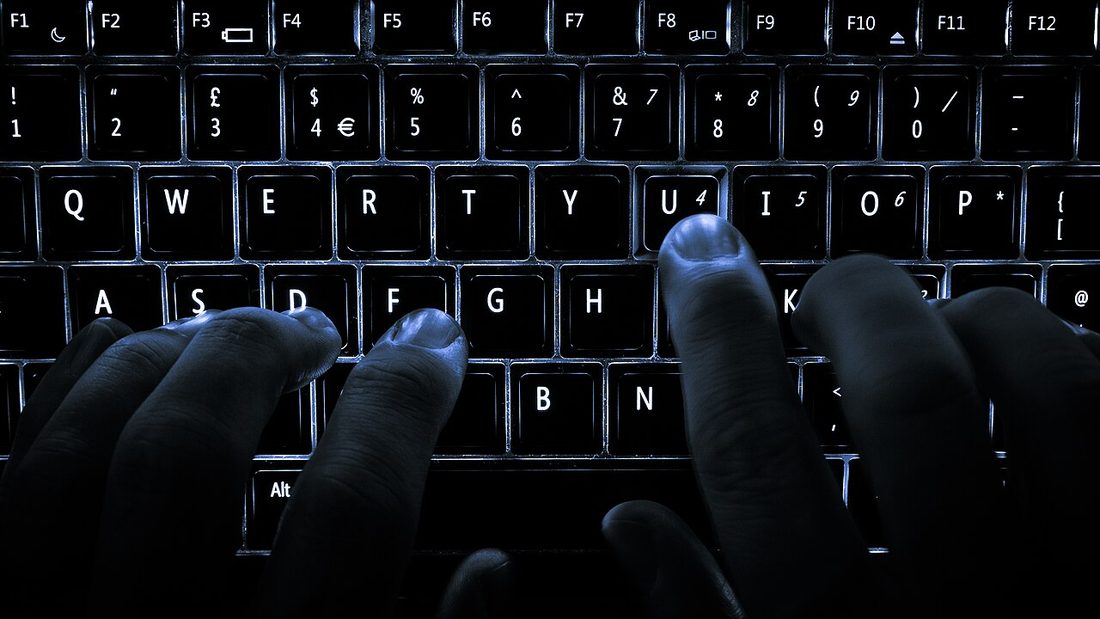
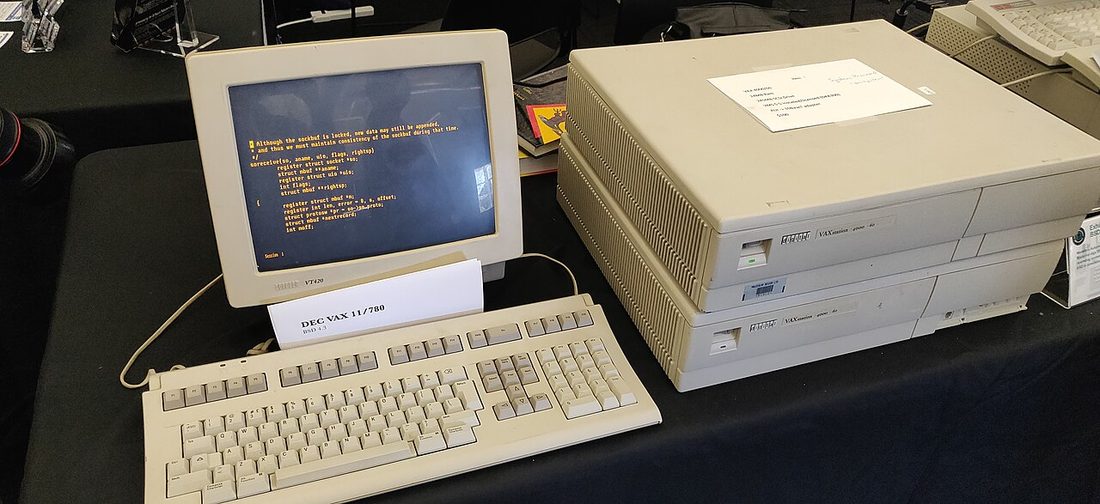
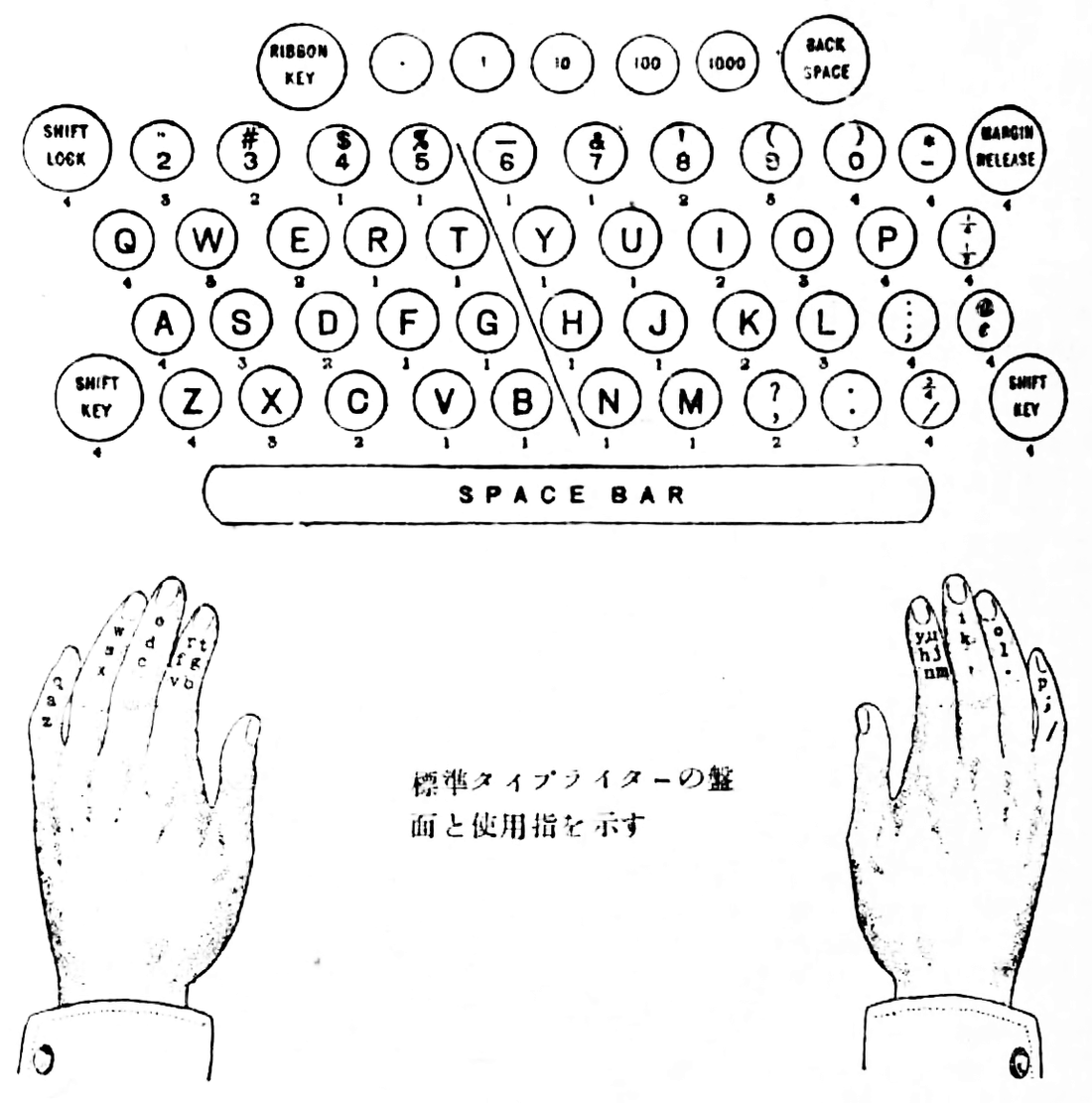
Before 1971, computer users could leave messages for each other only if they shared the same machine. Tomlinson combined two programs — SNDMSG, which left notes in a user's directory, and CPYNET, which copied files between computers — so a message could travel across the network. The first test messages were sent between two computers sitting side by side in the same room, and Tomlinson later said they were probably forgettable strings like "QWERTYUIOP". The exact wording is lost, but the idea stuck: within a few years, email was carrying most of ARPANET's traffic, and by 1976 even Queen Elizabeth II had sent an email.
The rules that made email universal
Email worked because everyone agreed on open standards. SMTP, the protocol for sending mail, was standardised in 1982, so a message written on one company's system could be delivered to any other. Free services made email a mass medium: Hotmail launched in 1996, and Gmail arrived in 2004 offering far more free storage than its rivals. Today there are roughly 4 billion email accounts, and email remains the backbone of business communication, even as younger users often prefer chat apps. Spam, phishing, and scams are its dark side — the price of a system that was designed to be open and trusting.
Instant messaging: the conversation speeds up
Email is a letter; instant messaging is a conversation. Early chat rooms appeared in the 1980s and 1990s, but ICQ, released in 1996, was the first instant-messaging program ordinary people adopted in large numbers: it showed when your friends were online and let you exchange short messages in real time. AOL Instant Messenger and MSN Messenger followed, and by the 2000s tens of millions of people were chatting online every day. The smartphone then moved messaging into everyone's pocket: WhatsApp launched in 2009, and today messaging apps carry more daily users than the biggest social networks.
Why messaging still matters
Every later form of online communication — social media, video calls, group chats, workplace tools like Slack — descends from email and instant messaging. The two ideas they established are still the internet's basic grammar: an address that identifies a person anywhere on the network, and a message that arrives in seconds. The @ sign Tomlinson picked because it was spare on the keyboard is now one of the most recognised symbols on Earth.
Sources: Wikipedia, "Ray Tomlinson"; Lemelson-MIT, "Ray Tomlinson"; Moneycontrol, "Do you know who sent the first ever email?" Checked 27 November 2026.